Mosquito Control in Suffolk County, NY: Protecting Your Long Island Backyard
Suffolk County's proximity to coastal marshes, tidal wetlands, and Great South Bay makes it one of Long Island's highest mosquito pressure zones. Here's how to reclaim your yard.
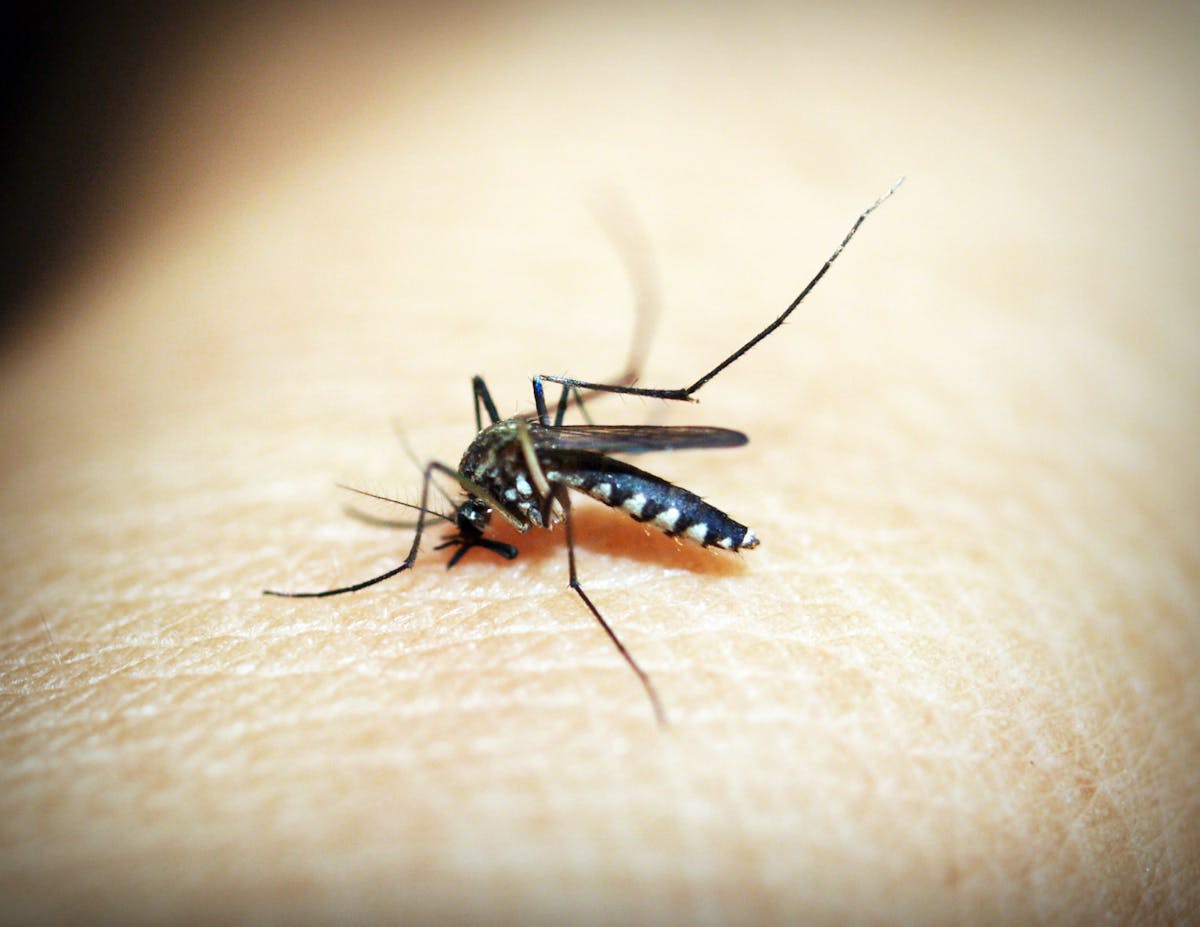
# Mosquito Control in Suffolk County, NY: Protecting Your Long Island Backyard
If you live on Suffolk County's South Shore — in Bay Shore, Islip, Babylon, Lindenhurst, Amityville, or anywhere near the Great South Bay — you know that summer means mosquitoes. The tidal marshes and wetlands that make these communities beautiful also generate some of the most intense mosquito pressure on Long Island. For Suffolk County homeowners who want to use their backyard from May through September, professional mosquito control is no longer a luxury — it's the only approach that actually works.
Jet Pest Control provides professional mosquito barrier treatment across all of Suffolk County. When you search for pest control near me for mosquitoes in Suffolk County, here's what you should know.
Why Suffolk County Has Intense Mosquito Pressure
Great South Bay tidal marshes: The wetlands and tidal marsh systems fringing the Great South Bay from Jones Beach to Fire Island generate enormous populations of salt marsh mosquitoes (Aedes sollicitans and Aedes taeniorhynchus). These mosquitoes fly up to 20 miles from their breeding sites — meaning South Shore homeowners miles from the water still experience heavy mosquito pressure driven by Bay marshes.
South Shore communities: Bay Shore, Islip, East Islip, West Islip, Babylon, North Babylon, Lindenhurst, Amityville, and Massapequa all sit in the highest mosquito pressure zone in Suffolk County, driven by proximity to the Bay and its marsh systems.
Fire Island proximity: Communities near Fire Island access points — Bay Shore ferry docks, Robert Moses State Park — see additional mosquito pressure from the island's undisturbed natural habitat.
Interior retention basins: The interior suburban developments of western Suffolk — Hauppauge, Brentwood, Central Islip, Ronkonkoma — have residential retention basins and industrial-area standing water that support productive Culex mosquito breeding throughout summer. Culex pipiens is the primary West Nile Virus vector.
East End outdoor lifestyle: The Hamptons, Southampton, East Hampton, Sag Harbor, Shelter Island, and the North Fork host extraordinary outdoor entertaining activity — exactly the environment where mosquito pressure translates directly into ruined evenings and public health risk.
Public Health: West Nile Virus and Dog Heartworm
West Nile Virus has been documented in Suffolk County mosquito pools every single summer for more than 20 consecutive years. The Suffolk County Department of Health Services monitors mosquito pools throughout the county and issues advisories when WNV-positive pools are detected — which happens in multiple locations every summer.
Dog heartworm (Dirofilaria immitis) is highly prevalent throughout Long Island. Dogs without year-round heartworm prevention living in Suffolk County are at significant annual risk. Professional mosquito control reduces overall mosquito exposure for both people and pets.
Barrier Spray Treatment: How It Works
Adult mosquitoes spend 95% of their time resting on vegetation — the underside of leaves, in shrubs, along mulch beds, and in shaded garden areas — waiting for low-light conditions to feed. Our barrier spray treatment applies residual product to these resting areas, eliminating adult mosquitoes on contact and providing 3–4 weeks of residual protection as new adults encounter treated surfaces.
Coverage areas: Shrub borders, ornamental plantings, mulch beds, shade trees (underside foliage), fence lines with vegetation, and perimeter transitions.
Seasonal Program: May Through September
Suffolk County's mosquito season runs May through September, with peak pressure in July and August. Our seasonal program provides 6–7 treatments on a 3–4 week schedule, giving consistent season-long protection for outdoor spaces.
Source Reduction: What You Can Do
Professional barrier treatment is dramatically more effective when combined with source reduction on your property:
- Dump and refill birdbaths weekly
- Empty saucers under potted plants after rain
- Cover or properly drain boat covers and tarps
- Keep pool properly maintained with appropriate chlorine levels
- Clean gutters — clogged gutters hold standing water for weeks
Call (516) 774-5051 for Suffolk County mosquito control. From seasonal barrier programs to one-time event treatments, when you need pest control near me for mosquitoes in Suffolk County, Jet Pest Control delivers protection you can feel.